
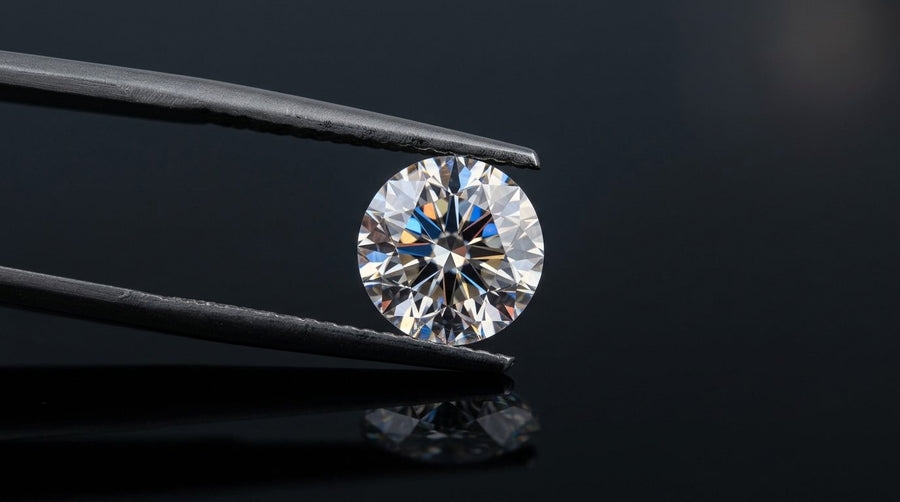
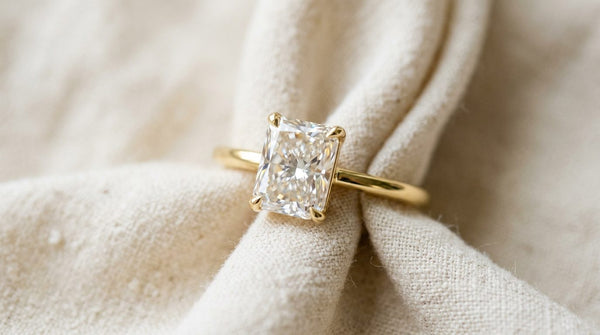
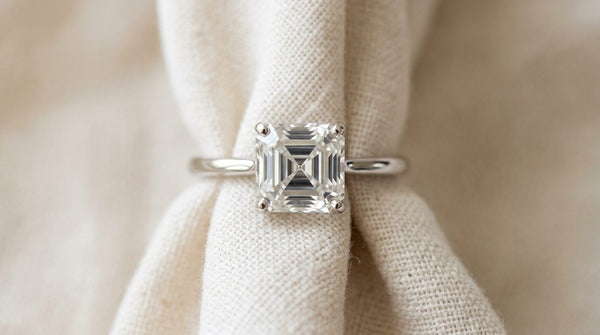
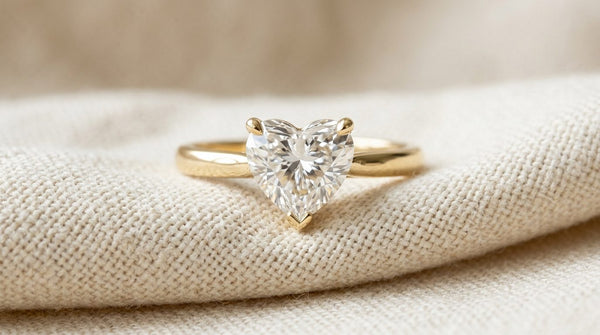
Shapes
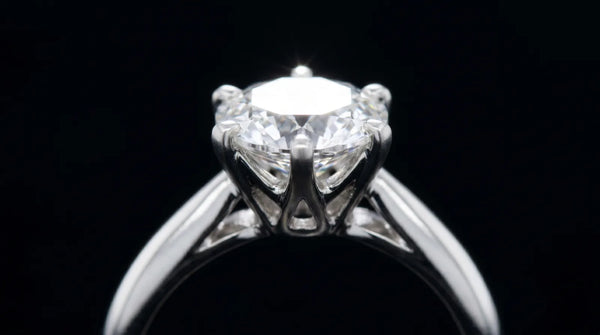
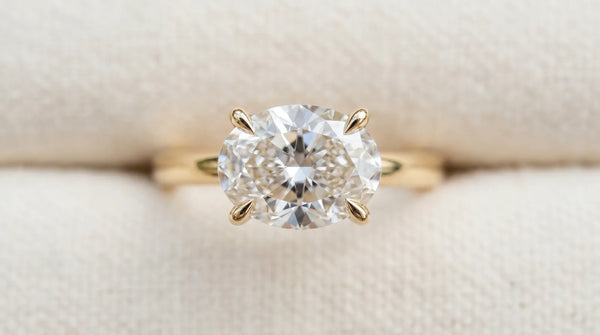
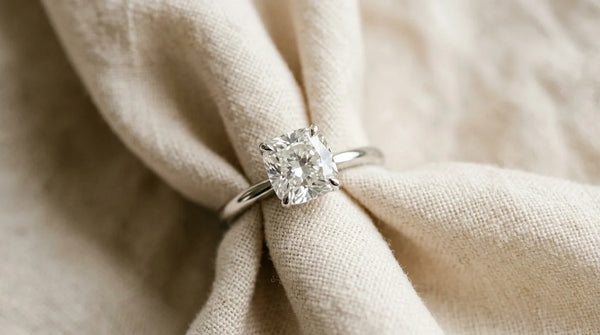
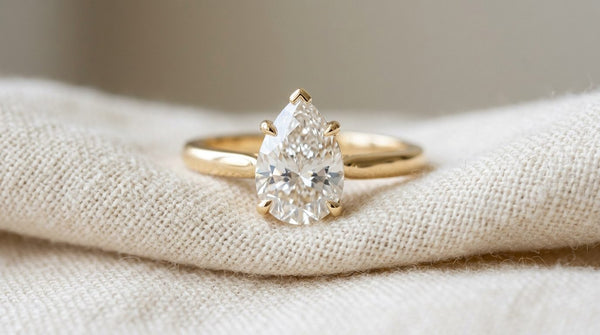
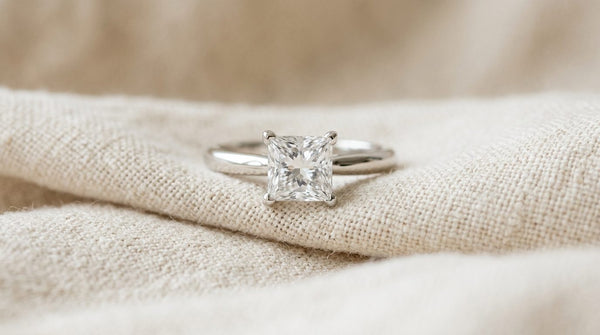
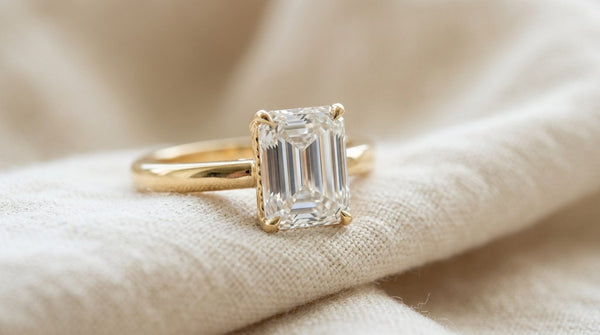
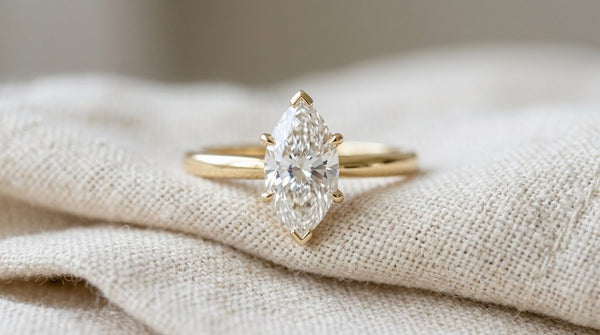
The 4Cs
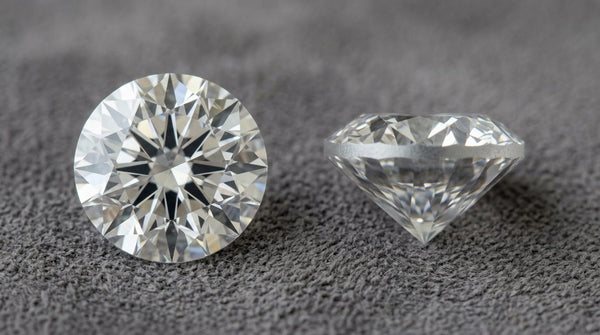
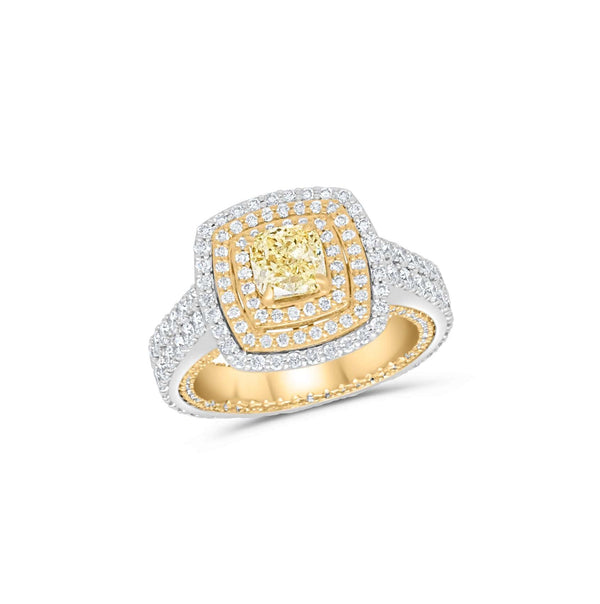
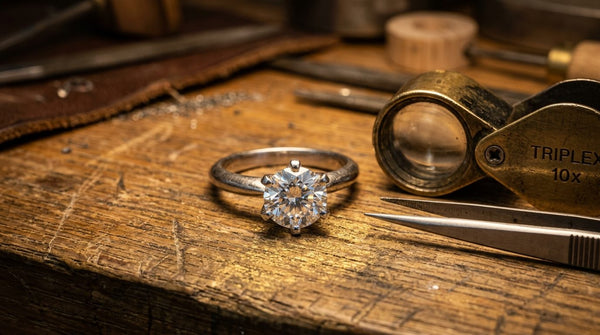
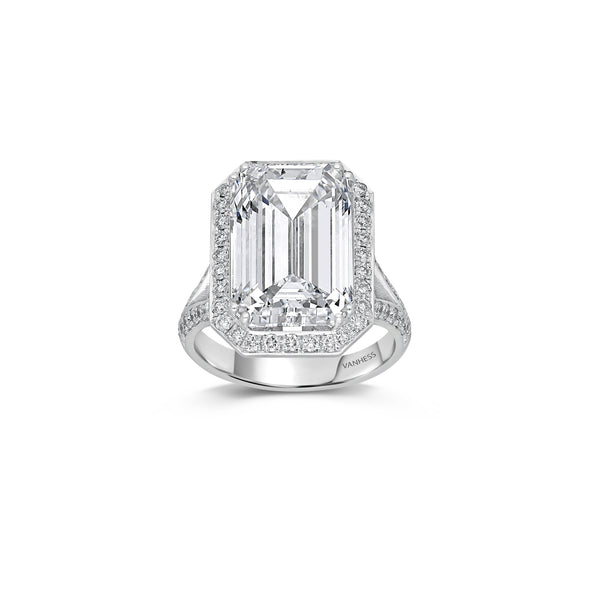
Colour runs from D to Z. Clarity has 11 grades, from Flawless to Included. One carat weighs 0.2 grams. Grading system and scales: GIA.
Natural, lab-grown or moissanite
| Property | Natural | Lab-grown | Moissanite |
|---|---|---|---|
| Type | Diamond | Diamond | Diamond simulant |
| Made of | Carbon | Carbon | Silicon carbide |
| Hardness | 10 | 10 | 9¼ |
Hardness on the Mohs scale. Sources: GIA on lab-grown diamonds and simulants, GIA on the Mohs scale, GIA Gems & Gemology, Winter 1997, on moissanite.
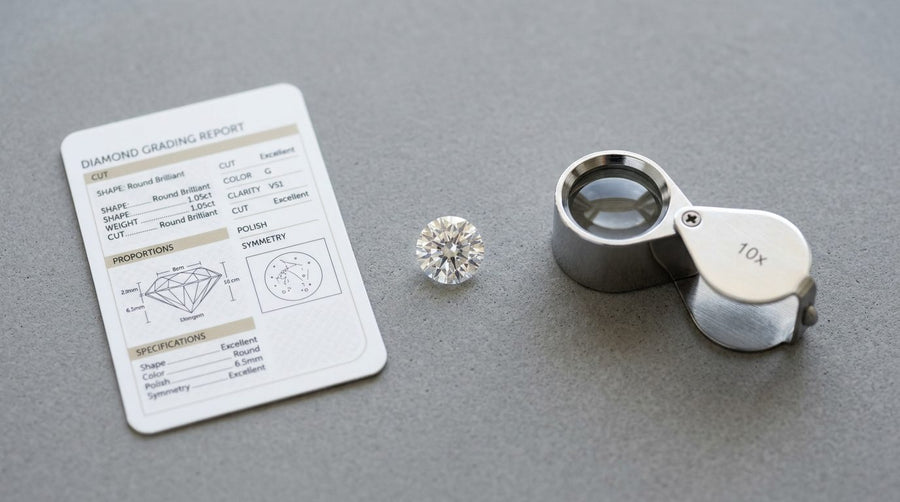
Grading reports
GIA laser-inscribes every lab-grown diamond it grades with the report number and the word "LABORATORY-GROWN".
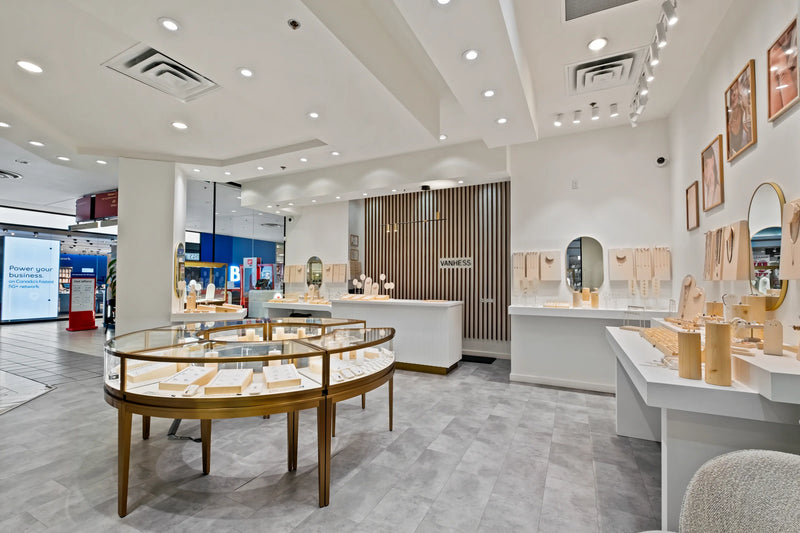
See them in person
Questions
What are the 4Cs of a diamond?
Cut, colour, clarity and carat weight. GIA developed this grading system in the 1950s, and diamond professionals use it to describe and compare diamonds.
How much does one carat weigh?
One metric carat is 0.2 grams, and it is divided into 100 points. A 0.50 carat diamond is a 50 point diamond.
Are lab-grown diamonds real diamonds?
Yes. GIA says lab-grown diamonds have the same crystal structure as natural diamonds, made of tightly bonded carbon atoms, with nearly the same chemical, optical and physical properties.
Is moissanite a diamond?
No. Moissanite is silicon carbide, and GIA lists it as a diamond simulant. It rates 9¼ on the Mohs hardness scale, and diamond rates 10.
How does a GIA report show that a diamond is lab-grown?
GIA grades lab-grown diamonds on a separate Laboratory-Grown Diamond Report, and laser-inscribes the stone with the report number and the words "LABORATORY-GROWN".